01What the craving is actually saying
The craving arrives fast and specific. Not food, exactly — crunch. Something salty, loud, satisfying in a purely physical way. You'll rattle through half a bag before you've registered why, and feel roughly nothing better for it. What's interesting isn't the eating. It's what the craving is telling you before you get there.
Stress primes the body for quick rewards. When cortisol1 rises — the hormone that tags along with frustration, poor sleep, a difficult afternoon — the brain's preference for high-contrast sensory input goes up with it. Salt hits fast. Crunch provides something close to a tiny percussive release. The combination isn't random; it's the body negotiating for stimulation when it's already frayed. Research broadly supports the idea that stress shifts eating toward highly palatable, energy-dense foods, though the exact mechanisms are still being worked out.
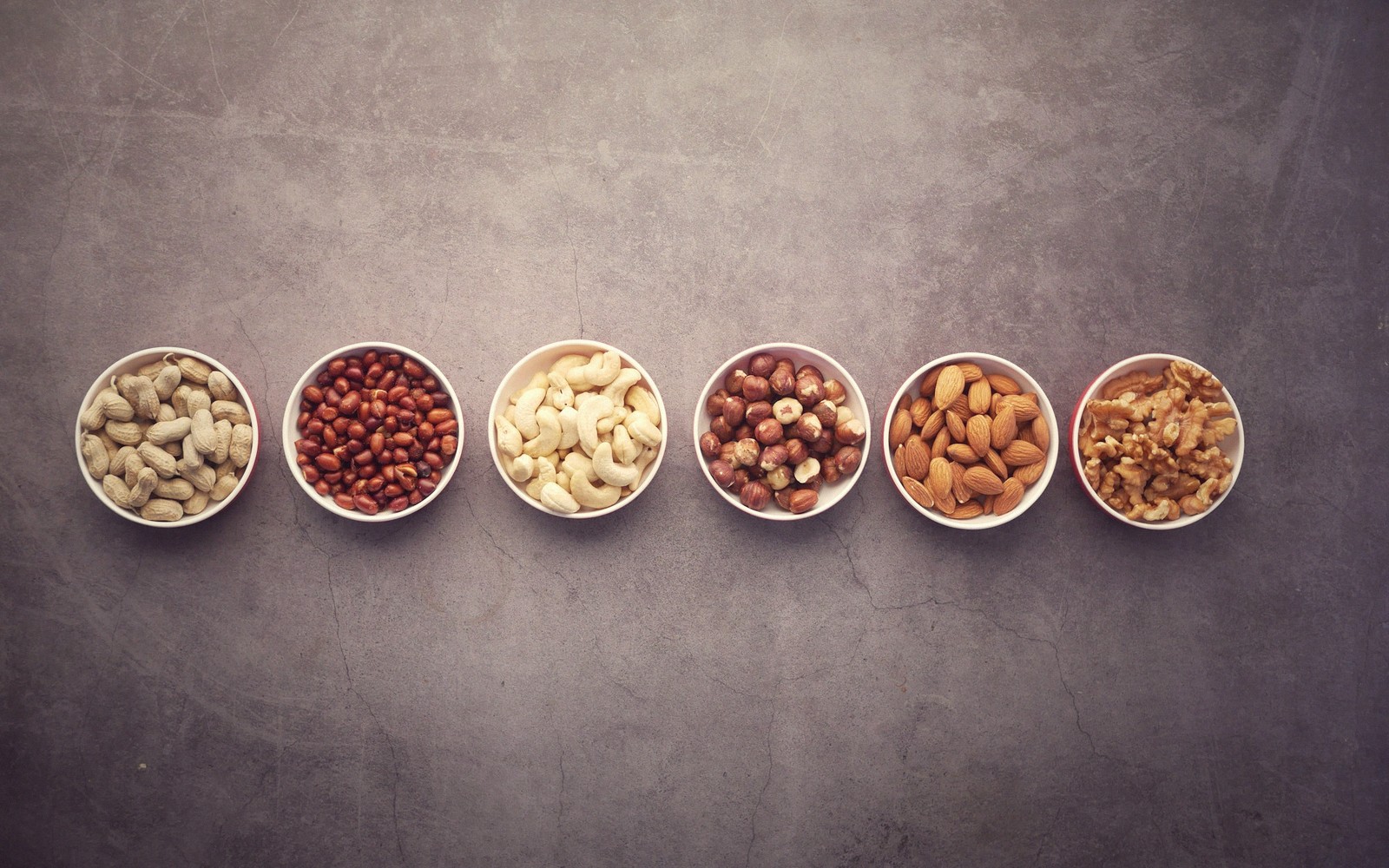
The mechanical side is worth taking seriously. Chewing hard, crunchy food really does have a small calming effect — there's evidence that vigorous chewing dampens the stress response, likely through pathways involving jaw muscles and the nervous system. An apple, a carrot, a handful of raw almonds: same crunch, better outcome than refined crisps, though the salted-fat combination carries its own appeal the alternatives don't fully replicate.
Salt cravings can also be a straightforward signal. If you've been sweating, skipping meals, or drinking a lot of coffee, a desire for salt is sometimes just hydration and electrolyte status talking. Start with a large glass of water before you assume the crisps are the answer.
The short fuse underneath the craving usually has more to do with blood sugar, fatigue, or accumulated frustration than a sodium deficiency. The packet addresses none of those things. It does, briefly, give your jaw something to do and your attention a clean, simple focus — which is, in its way, a form of self-regulation, just not a particularly effective one.
Worth asking, before you open the bag: am I actually hungry? Thirsty? Tired? Stuck in something that needs to stop, not snacking? The craving is information. Eating Before You're Furious is worth a read if the pattern repeats. The crisps aren't the problem — missing what they're signalling is.
Kitchen notes
- cortisol — hormone released in response to stress, influencing appetite and food preference ↩
As always, this is general guidance about everyday food and mood, not medical advice.