01What "slow release" actually means
The energy in a carbohydrate reaches your blood as glucose, and the speed at which that happens matters more than most people realise. Eat something that breaks down fast — white bread, a sugary cereal, a handful of crackers — and glucose arrives in a rush. Insulin responds in kind, blood sugar climbs, then falls. That fall is where the trouble lives: the irritability, the sudden fatigue, the sense that concentration has quietly left the building.
Eat something that breaks down slowly, and you get a gentler curve. Glucose trickles rather than floods. Insulin does less dramatic work. Energy stays steadier for longer — not in an exciting way, but in the way that means you're still thinking clearly at eleven-thirty and not hunting for a biscuit by ten.
Oats and barley sit firmly at the slow end of this spectrum, and the reason is specific: they're both unusually high in a soluble fibre called beta-glucan1. In the gut, beta-glucan thickens into a gel that physically slows digestion, drawing out the rate at which glucose is absorbed into the bloodstream. This isn't marketing language. It's a well-established mechanism, and it's why eating a bowl of proper porridge produces a meaningfully different morning than eating an equivalent portion of cornflakes.
02The two grains worth knowing
Oats are the more familiar of the pair. Rolled or steel-cut, they're cheap, available everywhere, and forgiving to cook. The key distinction — one that makes a real difference to how they behave in the body — is how processed they are. The closer to a whole grain, the more intact the beta-glucan matrix, the slower the release. Steel-cut oats take around thirty minutes to cook and have a lower glycaemic impact2 than rolled; rolled oats are still a solid choice; instant oats, pre-cooked and dried for speed, lose some of that structural benefit. Worth knowing, not worth losing sleep over.
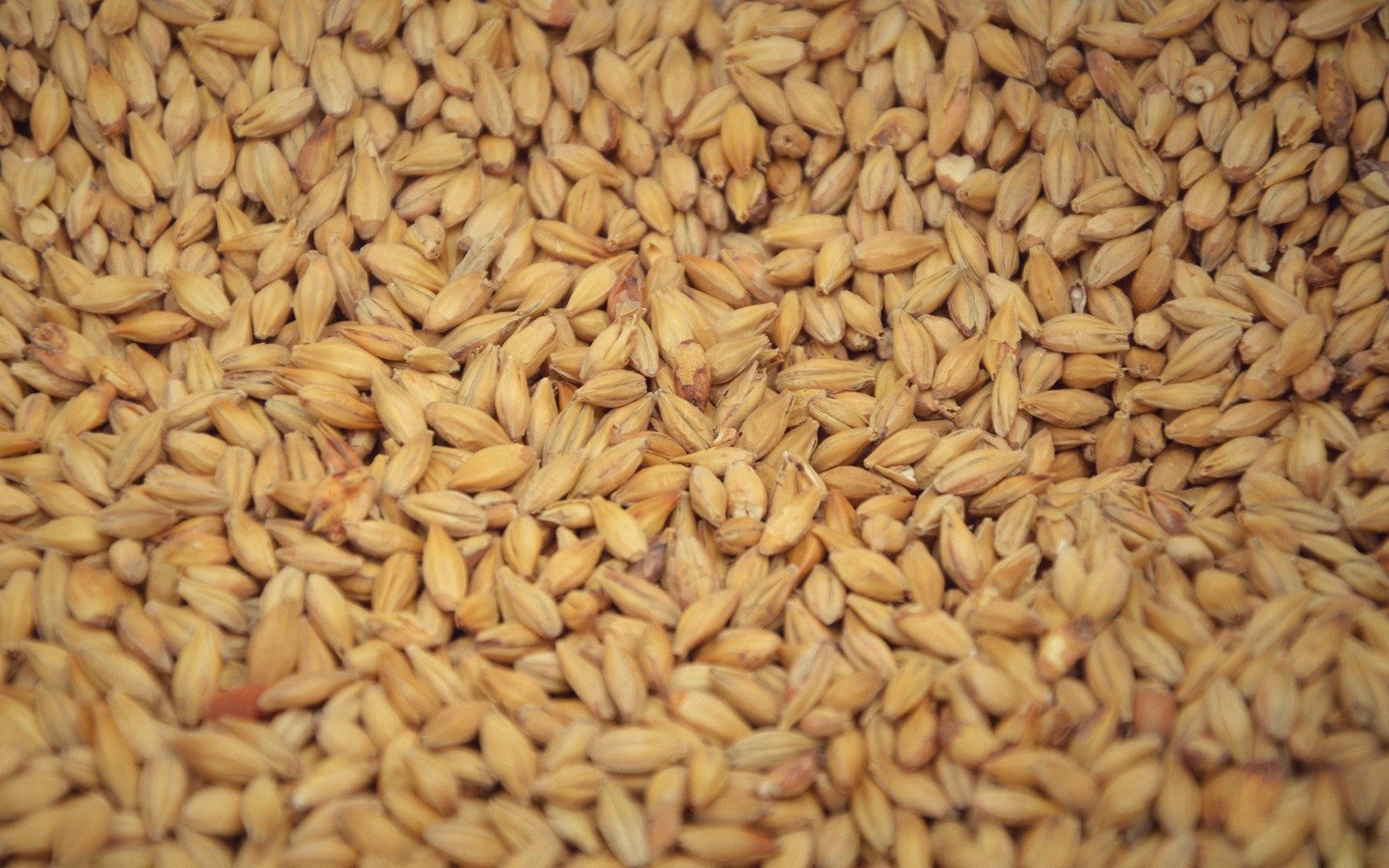
Barley is the quieter one, slightly less fashionable but arguably even richer in beta-glucan. Pearl barley — the variety you'll find in most shops, with its bran layer polished away — still contains useful amounts. Pot barley retains more. Either way, barley brings a pleasantly chewy texture and a nutty, faintly sweet flavour that suits soups, grain bowls, and slow-cooked stews equally well. For people who find porridge texturally difficult, a barley-based grain bowl at breakfast, or a barley soup at lunch, gets you much of the same effect through a completely different route.
Both grains also provide protein and magnesium alongside their fibre — neither dramatically, but usefully. Protein helps regulate the gradual pace of digestion further, and a meal that combines slow-release carbohydrate3 with a decent protein source — eggs, legumes, yoghurt — tends to hold steadier than one that relies on carbohydrate alone.
03Making it work in practice
The research on slow-release carbohydrates and cognitive performance and mood is genuinely encouraging, though it would be wrong to overstate its certainty. Most studies are relatively modest in size, and the effects are real but not dramatic — this is about rounding the edges off the day, not transforming it. What the evidence does consistently suggest is that meals which keep blood sugar on an even keel tend to support steadier energy, better concentration, and less of that mid-morning or mid-afternoon irritability that arrives as a kind of ambient fog.
Carbohydrates got a complicated reputation. Oats and barley never deserved it.
How you cook these grains is almost entirely up to you, which is part of what makes them useful rather than prescriptive. Porridge with a spoonful of nut butter and some sliced banana. Barley cooked into a loose, warming soup. A grain bowl with roasted vegetables, a soft-boiled egg, and whatever's in the fridge. These aren't recipes designed around optimising anything; they're ordinary food that happens to treat your blood sugar gently.
That is, ultimately, what slow-release eating looks like: not a discipline, but a preference for meals that take their time. The bowl asks nothing urgent of you. It just keeps things running quietly, for a little longer than you might have expected.
Kitchen notes
This article reflects general nutrition guidance. It isn't a substitute for personal advice from a qualified health professional.