01What you're actually after
The mid-morning reach for something, the 4pm rummage through the cupboard — these aren't weakness. They're the body signalling a dip in blood glucose1, and the instinct to fix it fast with something sweet is understandable and counterproductive in roughly equal measure. A biscuit works, briefly. Then it stops working, and you feel worse than before.
What steadies the dip rather than amplifying it is a snack that releases glucose slowly — one that pairs some protein or fat or fibre (ideally more than one) with whatever carbohydrate it contains. This slows digestion, blunts the glucose rise, and, crucially, softens the fall. No dramatic peak means no dramatic trough.
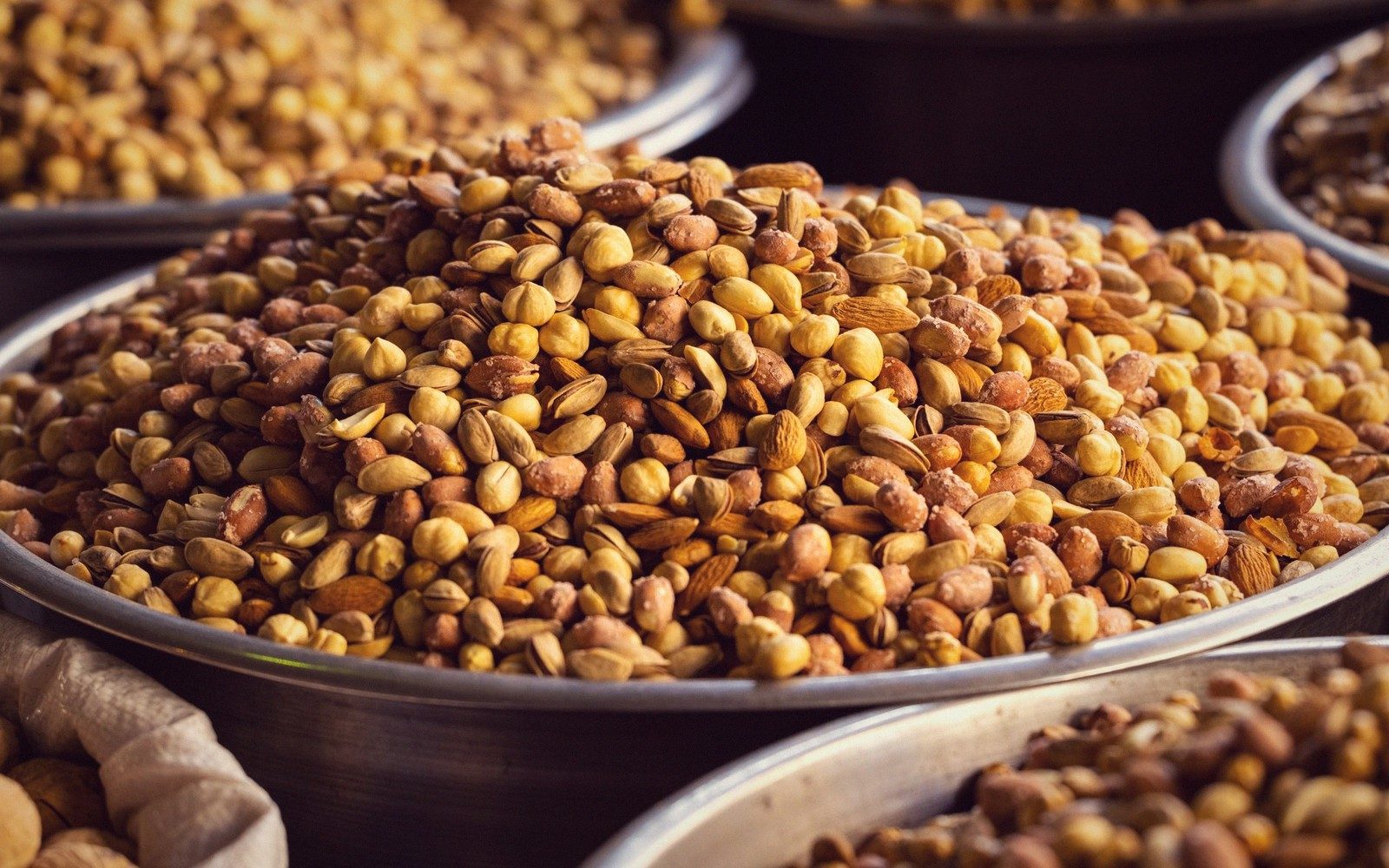
In practice, this is less complicated than it sounds. A small handful of nuts alongside a piece of fruit. A few oatcakes with nut butter or a scrape of hummus. Full-fat yogurt with a spoonful of berries. A boiled egg eaten standing at the kitchen counter. These are not particularly glamorous options, but they do the job. Research consistently links this kind of protein-and-fibre pairing to steadier energy and better satiety2 between meals compared with refined-carbohydrate snacks eaten alone — and steadier energy tends to mean a steadier mood.
The portion matters too. A snack that's really a meal-sized thing triggers its own sluggishness. Something in the range of 150–200 calories is generally enough to bridge the gap without asking the digestive system to do heavy lifting it wasn't expecting.
The goal, in short, is a gentle plateau — something that keeps you level until the next proper meal, without the spike, and without the crash that follows.
Kitchen notes
As always, this is general guidance about everyday food and mood, not medical advice.