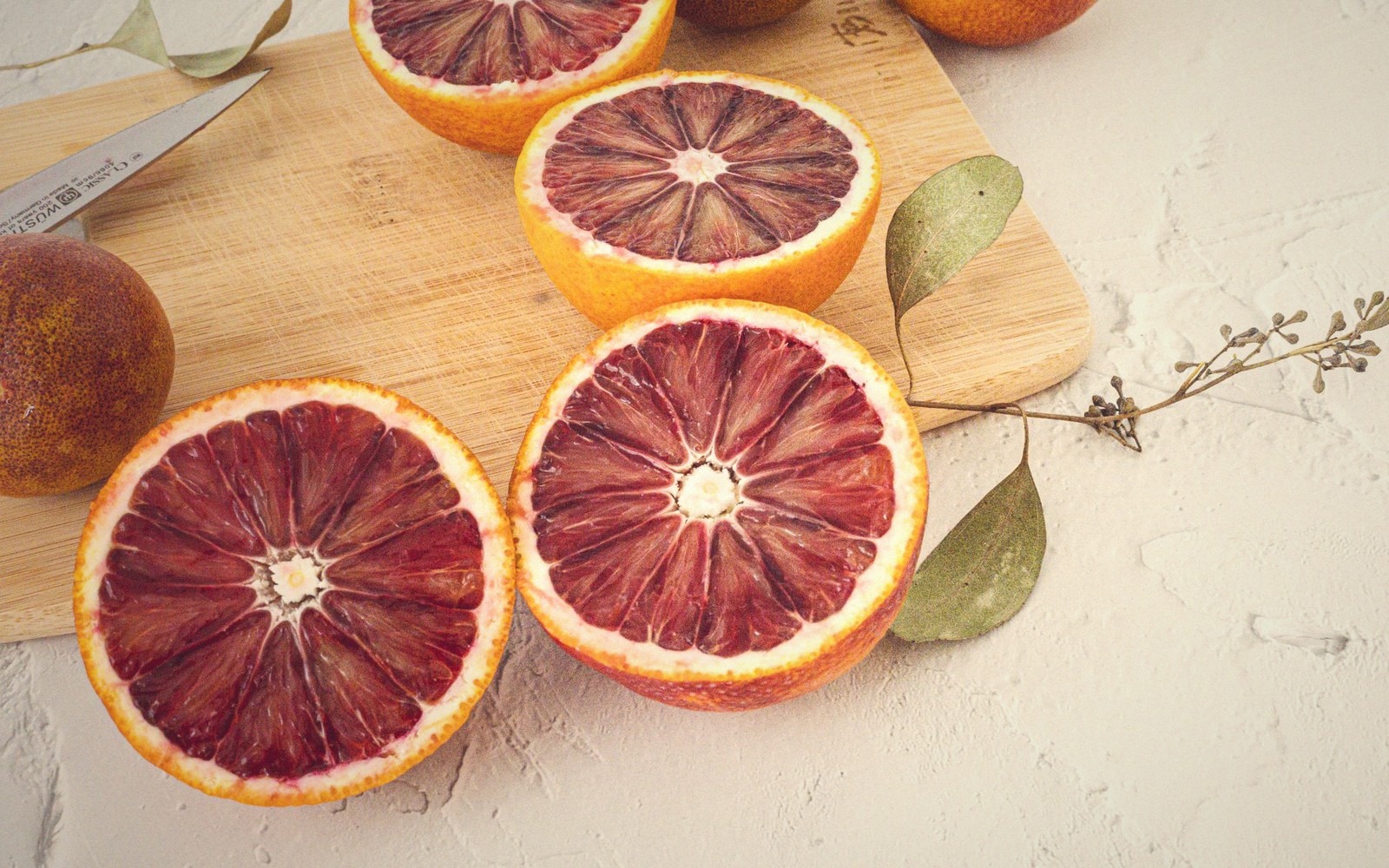
01The morning before the first sip
There's a particular moment — grapefruit halved, a squeeze of orange over plain yoghurt, a clementine peeled at the kitchen counter before the kettle has even boiled — when something in the day seems to sharpen. It's easy to dismiss it as placebo, or ritual, or simply the fact that you're now awake. But the case for something more measured is genuinely worth making.
The most obvious mechanism is vitamin C, which the body cannot store in useful quantities and must replenish daily. The brain is metabolically demanding, and vitamin C plays a documented role in neurotransmitter synthesis — dopamine and noradrenaline both depend on it at the enzymatic level. That's not a claim that an orange makes you alert; it's a reminder that mild, chronic shortfall (which is common, especially in winter) correlates with low energy and flat mood, and that correcting it tends to reverse those effects gradually and quietly.
The sharper, more immediate lift, though, is probably sensory. The volatile compounds1 released when you break citrus skin — the spray of zest, the hit of lemon — are genuinely stimulating. Research has looked at olfactory3 cues and alertness, and while the field is modest, there's reasonable evidence that citrus scent increases subjective energy and reduces perceived fatigue. The mechanism likely runs through the same pathways as other arousal cues: fast, involuntary, real enough that it shows up in electroencephalographic studies even if it doesn't survive all replications.
Then there's the timing. Eating something with natural sugar and fibre — as whole fruit rather than juice — produces a gentler glucose curve2 than sweetened breakfast staples. A slow, unspiky start to blood sugar is associated with steadier energy through the morning, and whole citrus contributes to that without demanding much: one piece of fruit, eaten before or alongside whatever else you're having.
The hydration angle is undramatic but real. Many people arrive at breakfast mildly dehydrated after sleep, and citrus — high in water content, slightly acidic, impossible to eat mechanically — prompts you to notice your thirst. That alone tends to shift things.
None of this is magic. A single clementine won't transform a difficult morning. But the citrus habit — something tart and bright before noon — sits on good-enough ground to be worth the peeling. It's one of those small food behaviours that costs almost nothing, asks almost nothing, and has a reasonable chance of actually working.
Kitchen notes
As always, this is general guidance, not medical advice — and a whole lot easier to act on.